Utah
Hot Tubs & spas
HOT TUBS ARE AWESOME
Ready to find the best hot tub deals in Utah?
There is a lot of things to consider before purchasing a new hot tub or spa. You need to decide if you want an in-ground installation or to just install it above ground. How large of a spa do you want and need? Are you going to use it year round? What material should it be made with? Which manufacturers and dealers can you trust and that stand behind their products? How can I find a reliable installer?
We'll explore all of this and much more throughout the site so you can find the ultimate hot tub for you and your family. From recommended showrooms that we think are worth your visit, to the best manufacturers and building contractors, we'll be covering all of it here.
Top Brands
What's in a name?
Hot tubs are know by many different names. The most common besides "hot tub" is spa and jacuzzi. But a spa is also the place you go to be pampered and not necessarily in a hot bath with lots of bubbles. "Jacuzzi" is a brand of hot tubs that also makes many different types of bath tubs and other products. Because of that we prefer to use the term "hot tub". Even though there was that "Hot Tub Time Machine" movie!
Utah Hot Tub Brands
There are several top brands of hot tubs that are sold and some are even made in Utah. Bullfrog Spas is the largest local dealer and they are well known in the area. But we highly recommend that you check out a few of the other brands we'll showcase because they can sometimes offer a better value. In the end it all depends on your specific desires for the size and type of hot tub that will make the decision of which the buy easier.
At Home spa
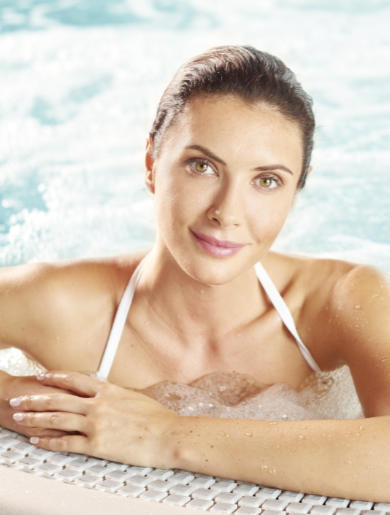
While you can always spend the time and money to go to a local public pool that sometimes has a hot tub, there is something special about being able to relax in your own hot tub in the privacy of your own backyard or home. No awkward glances with the strangers on the other side of the hot tub. Just relaxing hot water and bubbles in luxurious privacy.